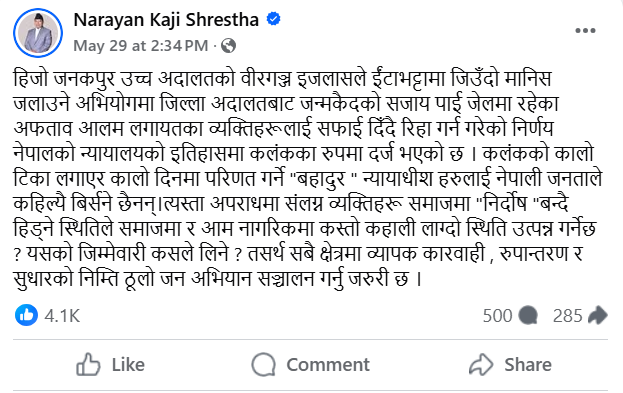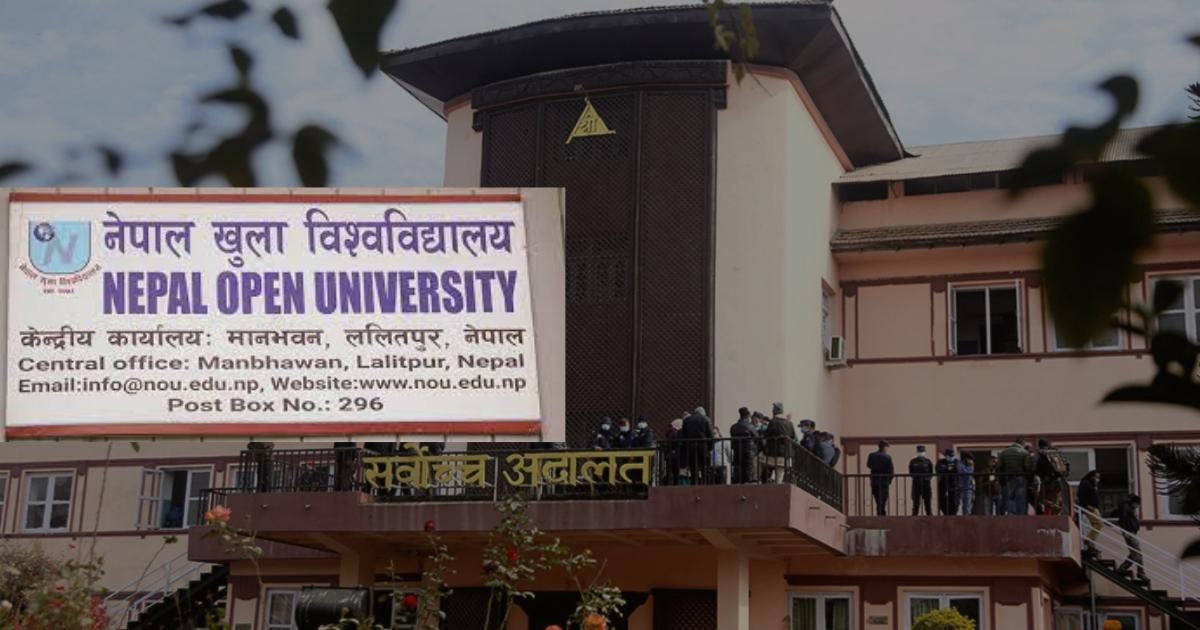

After the Birgunj bench of judges Khushi Prasad Tharu and Arjun Maharjan overturned the life sentence imposed by the Rautahat District Court, questions have been raised about the judiciary itself.
The bench of Tharu and Maharjan acquitted the accused, stating that there was no solid evidence to support the claim that a bomb exploded in Alam’s house on Chaitra 28, 2064, and that those injured in the explosion were loaded onto a tractor and thrown into a brick kiln to be burned. Fifteen eyewitnesses to the incident appeared before the court and testified.
Following the acquittal of the culprits in such a heinous crime, the competence of the judges has been questioned. Yubaraj Poudel filed a complaint with the Judicial Council on Friday, demanding an investigation into the High Court’s decision regarding Alam and action against the judges.
Among the judges who made the decision, Tharu was appointed as a High Court judge from the Congress quota in 2073 BS. Tharu is also one of the 80 controversially appointed judges, known as the ‘Midnight Judges.’
When Sushila Karki was the chairperson of the Judicial Council, the law minister was Ajay Shankar Nayak of the Maoists. Although he was a minister, the ones who obstructed the appointment of judges were Ramesh Lekhak from the Congress and Barshaman Pun from the Maoists.
Karki has publicly stated that the Ramesh Lekhak appointed other judges, including Tharu, from his party quota after a dispute with her. The same judge Tharu had acquitted Vijay Kumar Gachhadar and others in the Baluwatar case in 2080 Falgun when he was in special court.
Another judge, Maharjan, who acquitted Alam, was appointed as a High Court judge from the Maoist quota on Bhadra 29, 2080. At that time, the council had recommended 27 judges for appointment to the High Court out of 56 vacancies, of which only six were from legal practitioners.
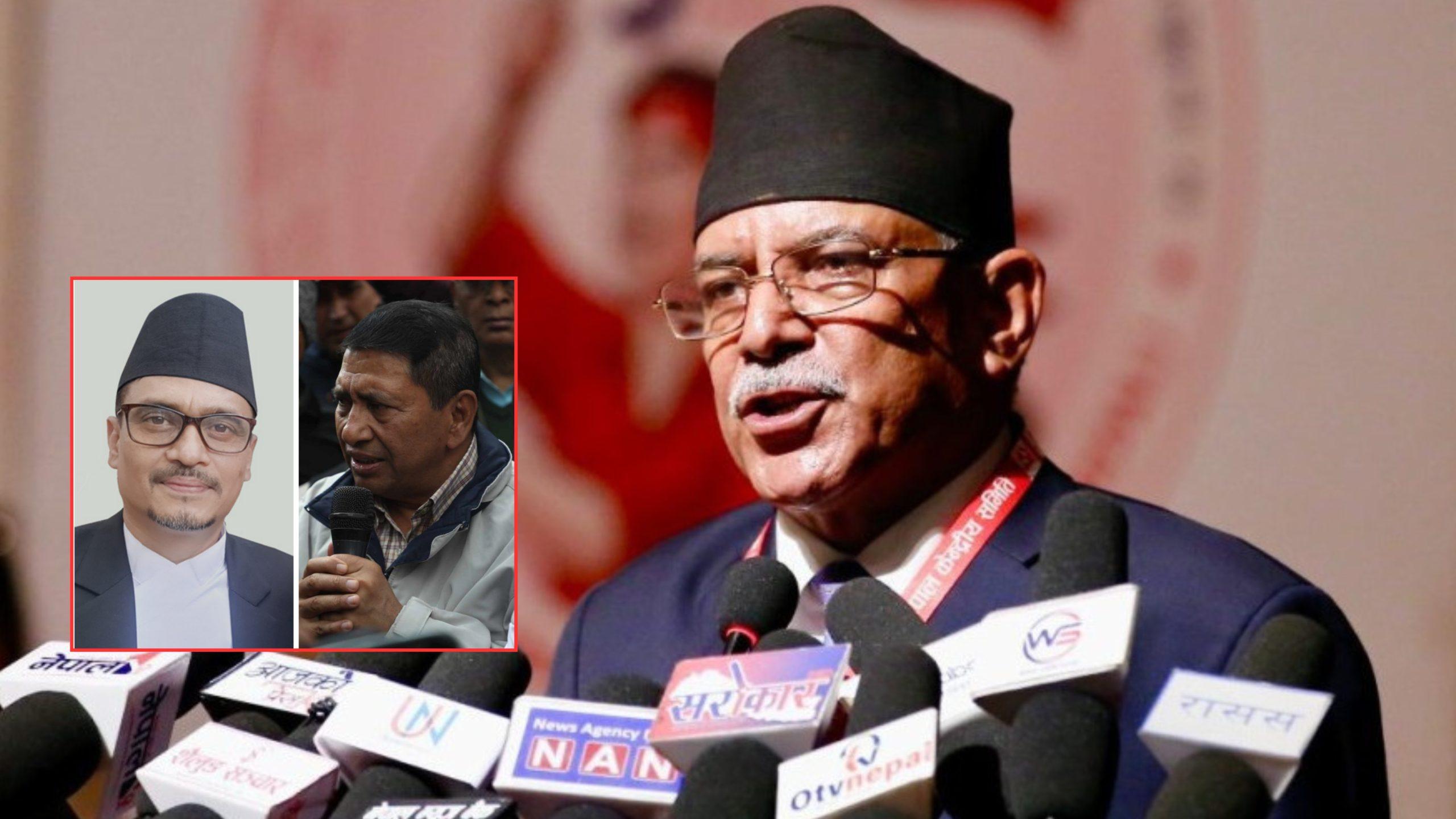
Council Chairman and Chief Justice Bishwambhar Shrestha had appointed 27 people as judges of the High Court amid controversy after a prolonged vacancy. Maharjan, who worked in the firm of former Nepal Bar President Chandeshwor Shrestha, became a judge from the quota of the Maoists, led by the then-government.
According to sources, the then-Deputy Prime Minister and Home Minister Narayan Kaji Shrestha played a decisive role in his appointment as a judge. At that time, Prachanda was the Prime Minister under the Congress-Maoist alliance, and Dhanraj Gurung was the Law Minister.